Thoughts about past famous painters
I have talked about my interest in art history on my website; I have studied art history in college, and I have always enjoyed learning about artwork and who made it. Something I don't usually hear about is the backstory behind the artist themself. What troubles they went through and what made them such a famous artist. What do they have that others don’t? It’s not just about creativity; it’s also about what the person went through in life and how their brain works. I’m going to be talking about two famous artists that I love and talk about what they've been through and their mental health struggles.
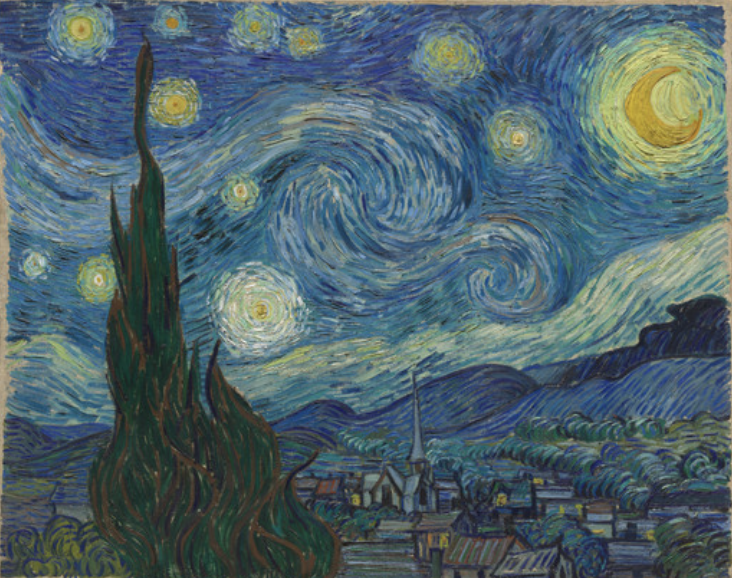
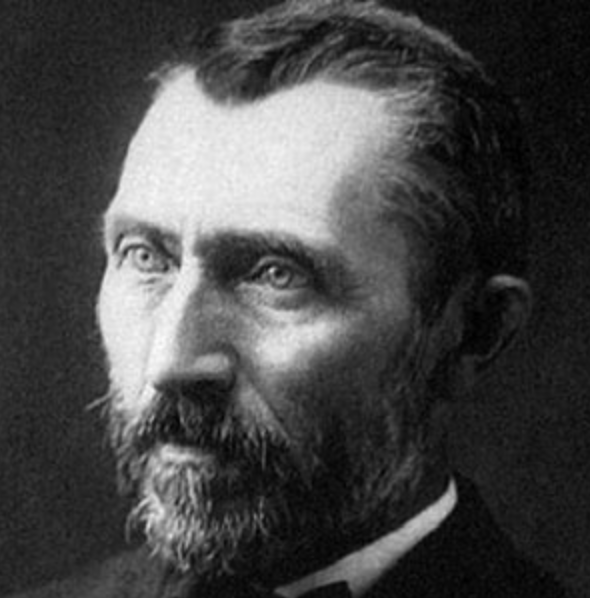
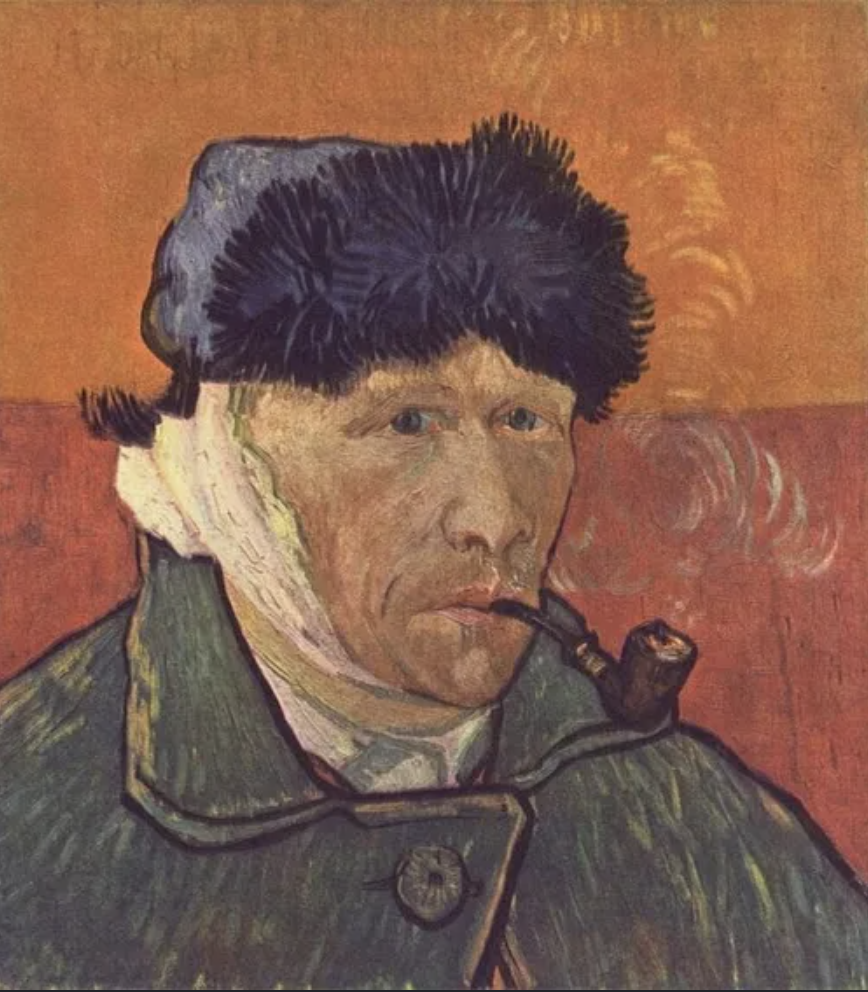
Vincent van Gogh was the most influential artist of his time and to this day. Vincent was born in 1853 in the Netherlands. He was born exactly one year after the death of his parents' first-born child, who was also named Vincent. People believed this created a complicated and emotionally distant family issue. As a child, Vincent was described as a moody, serious and self willed chilled at age 12. He also attended boarding school sent by his parents.
Mental illnesses: Vincent struggled with transient psychiatric episodes, bipolar disorder, temporal lobe epilepsy, and severe anxiety. Most of you may know about him cutting his ear off. At this time, he was deep into his painting and was well known for his artwork; he cut his left ear off in France in 1888. He was suffering from a severe breakdown after a breakup and felt it was the right thing to do. He mailed it to the woman he loved. A year later, he admitted himself to an asylum to get well. During his stay, he experienced cycles of crises and recovery, using painting as a therapeutic way; he painted just what he felt and saw, which became the famous painting Starry Night. A creative painting of a city at night, swirling with lots of blue colors and dark browns. Later on in life he committed suicide sadly he couldn’t take his mental health anymore.
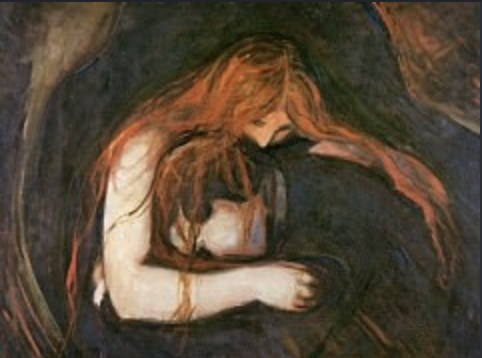
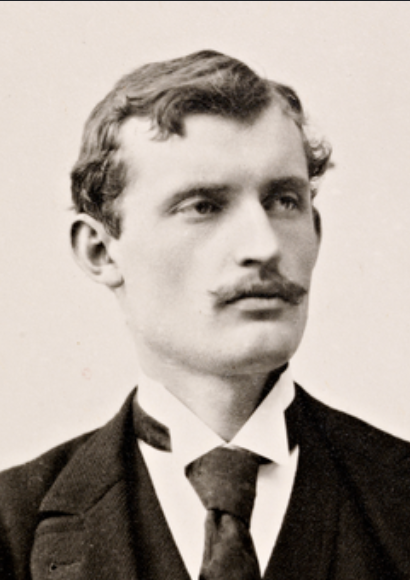
Edvard Munch was born in 1863 in Norway. His childhood was moving around a lot with his father being in the military who was low-paid. In 1868, his mother passed away, and shortly after, his older sister passed away both from tuberculosis when he was 5 years old. He was left with just his father. His father's behaviour was not nice to Edvard. His father struggled with depression and anxiety. He was also a religious man; he was strict and frightening. Edvard also struggled with mental health; he was often sick as a child and had poor health with no one looking after him. He also missed a lot of school, a place where he could have grown.
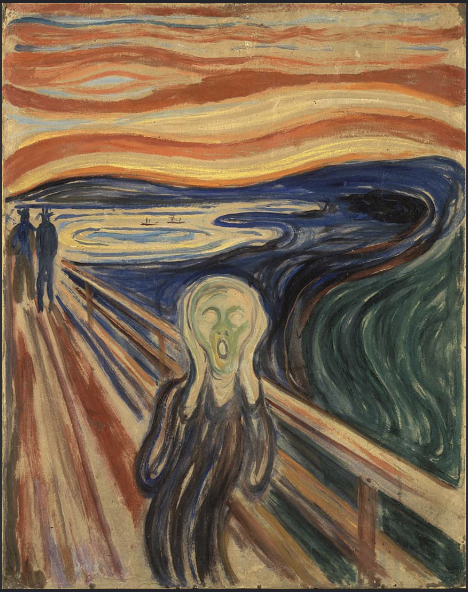
All these issues had a long-lasting effect on him, growing up surrounded by fear of illness and death. He experienced so much psychological distress throughout his life that he grew to love painting and used it as a way to release his emotions and cope with how he was feeling. He also struggled with heavy drinking that contributed to problems with relationships and mental health. In 1908, he was admitted to a private clinic for people who have drinking problems and anxiety. Later, he did recover, reduced his drinking, and became more stable. Some paintings he made before he recovered were The Scream, in 1893. This painting showed intense fear, also expressing anxiety and emotional distress. The feeling of overwhelming anxiety that inspired the painting.
Here is a trailer for a movie about Vincent van Gogh. This movie shows his life, what he went through, and why he painted.
Why is prioritizing your mental health so important?

-Pay attention to your body-
-Pay attention to your body-
When I was a senior in high school, I took ASL for 4 years. I have always loved American Sign Language. I had an interest in the deaf culture and found it fascinating how they work around the world and how they overcome all the struggles they went through.
This book I read is called Haben. She is a deaf and blind woman and talks about her struggles going through life. Always being told she can't, but finds a way so she can. She grew up in a small town where her mother mainly took care of her. Her father was also supportive, and so were her siblings, but her mother was her best support. She talks about how she got through life and found ways to understand life in her own way. She was deaf at a young age and soon became blind later in life.
After she graduated from school, Haben decided to apply to Harvard Law School and got in! She attended the school on site. She was able to get in with her natural knowledge and built a strong academic record. When she attended the school, they did not have any accommodations provided for deaf or blind students; she decided to stand up for herself and tell Harvard whats going on at there school. Harvard soon changed their ways and later she graduated.
Now Haben is traveling around and telling her story and how she accomplished so much, and to never let anyone tell you that you can’t do something. I believe she teaches a valuable lesson to everyone and to understand that people out there are struggling, and we should be grateful for our lives. The confidence she has is outstanding, and is my favorite book Iv read so far. She’s a very powerful woman and is helping so many people and more every day!
Thoughts about the book Haben